

LilLeaf Organics
LilLeaf Guide

Lilleaf Organics
Seed to Superfood
Health Benefits, Growing Tips, and Creative Uses.
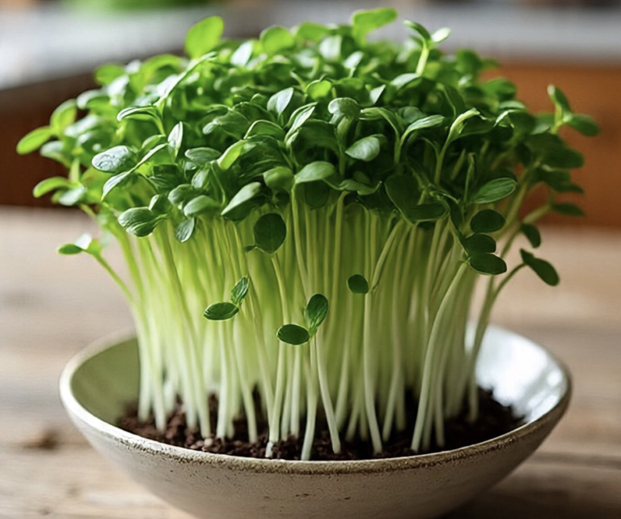
Microgreens have experienced a significant rise in popularity in recent years, owing to their exceptional nutritional profile, distinctive flavors, and ease of cultivation. Harvested at an early stage of development, these delicate greens are rich in essential vitamins, minerals, and antioxidants, making them a concentrated source of health-promoting nutrients. Whether you are a home gardener, culinary professional, or health-conscious individual, incorporating microgreens into your lifestyle offers both nutritional and culinary advantages.
What Are Microgreens?
Benefits
Health Benefits of
Microgreens
Microgreens are more than just tiny plants — they’re nutrient powerhouses. Packed with concentrated vitamins, minerals, and
antioxidants, these young greens can play a transformative role in your overall wellness.
Here’s why adding microgreens to your diet can make a lasting impact:

Nutrient Density Beyond Mature Greens
Microgreens contain up to 40 times more vitamins and minerals** than their mature counterparts. Microgreens are exceptionally rich in Vitamin C and E, certain microgreens are known for their high sulforaphane content — a compound linked to cancer prevention and detoxification. A small handful can deliver a nutritional punch equivalent to several servings of fully grown vegetables.

Rich in Antioxidants for Cellular Protection
These tiny greens are loaded with antioxidants such as polyphenols and carotenoids that help combat oxidative stress. Regular consumption of antioxidant-rich foods. Microgreens supports healthy aging, improves immunity, and promotes glowing skin by protecting cells from damage.

Supports Digestive Health and Detoxification
Microgreens are packed with enzymes and natural fibers that aid digestion and help flush toxins from the body. Incorporating them into daily meals supports a clean gut and a tronger metabolism — essential for maintaining long-term wellness.

Promotes Heart Health and Balanced Cholesterol
Microgreens help to reduce “bad” cholesterol (LDL) and support healthy heart function. Their natural compounds enhance blood circulation and assist in maintaining optimal blood pressure levels — making them an excellent addition for cardiovascular health.

Enhances Immunity and Energy Levels
With their high content of vitamins A, C, and K, microgreens naturally strengthen the immune system and help boost energy and vitality by improving nutrient absorption and oxygen flow — perfect for maintaining stamina throughout a busy day.

Encourages Clean, Sustainable Eating
Beyond personal health, choosing microgreens contributes to a sustainable lifestyle. They’re grown locally, require minimal resources, and reduce food miles — making them an eco-friendly choice for conscious consumers who care about their body and the planet.
Grow Microgreens
How to Grow Microgreens at Home
One of the greatest advantages of microgreens is how simple they are to cultivate. With minimal space, time, and equipment, you can successfully grow them either indoors or outdoors.
Material Required –

Seeds
Select high-quality, organic seeds specifically suited for growing microgreens.

Growing Trays
Use shallow trays equipped with drainage holes to ensure proper water flow.

Growing Medium
Opt for organic potting soil, coconut coir, or hydroponic mats as your base.

Watering Spray Bottle
Use a fine mist spray bottle to water the seeds gently and evenly.

Light Source
Provide adequate light through natural sunlight or LED grow lights for optimal growth.


How It Works
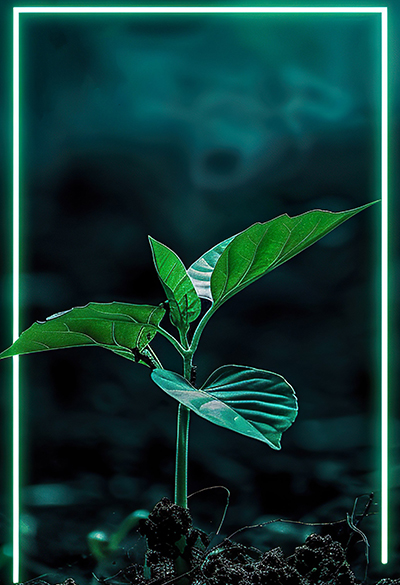
Step-by-Step Growing Guide

Prepare the Growing Tray
- Fill the tray with 1-2 inches of growing medium.
- Smooth out the surface evenly.

Sow the Seeds
- Scatter seeds evenly across the soil surface.
- Press lightly but do not bury them.

Watering and Germination
- Mist the seeds with water to keep the soil moist.
- Cover with another tray to create a dark environment for 3-5 days to encourage sprouting.

Expose to Light
- Once seeds have germinated, uncover the tray and place it under a light source.
- Keep them exposed to at least 12-16 hours of light daily.

Harvesting Microgreens
- Microgreens are ready to harvest in 7-21 days, depending on the variety.
- Use scissors to cut them just above the soil line.
- Rinse and enjoy immediately for maximum freshness.
Sprinkle . Blend . Transform
Creative Ways to Use Microgreens
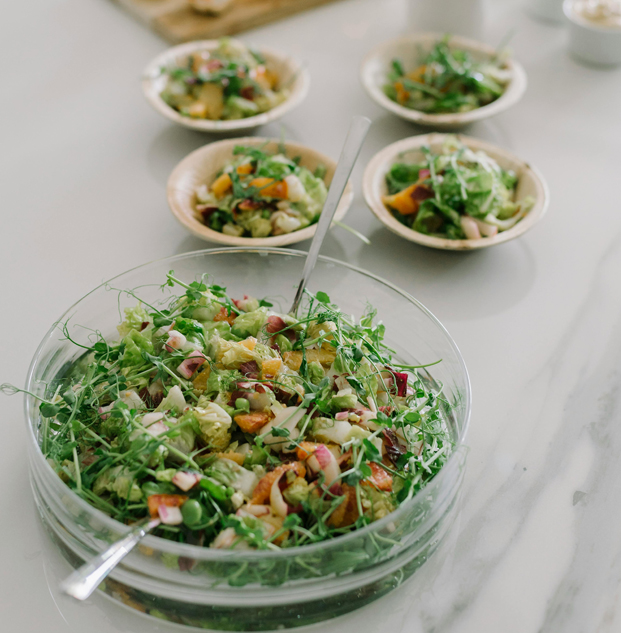
Microgreens are remarkably adaptable and can elevate a wide range of meals with their vibrant flavor and nutritional boost:
Salads
Incorporate them for added freshness, color, and a subtle crunch.
Smoothies
Blend a handful into green smoothies to enhance their vitamin and mineral content.
Sandwiches and Wraps
Layer them into sandwiches or wraps for extra texture and taste.
Soups and Garnishes
Use as a final touch to soups or entrées to create an appealing presentation.
Sauces and Spreads
Mix into pesto, dips, or sauces to enrich flavor and add a fresh, green note.
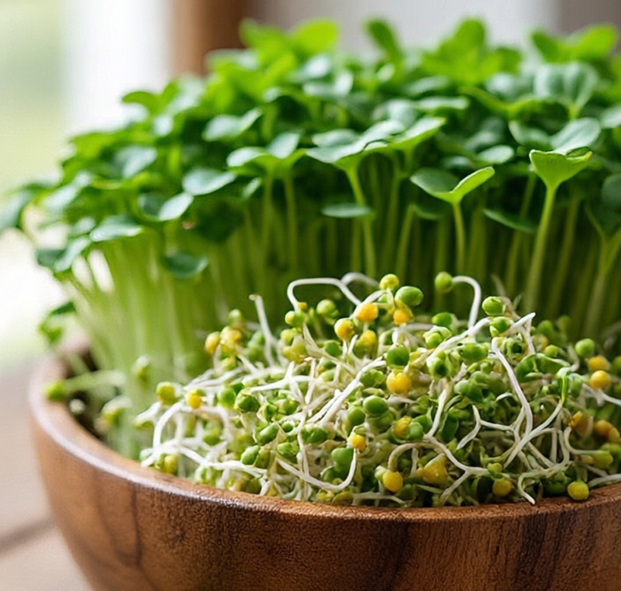
Understanding the Key Differences
Microgreens vs. Sprouts
Growth Phase
Sprouts consist of germinated seeds that have yet to develop true leaves, whereas microgreens are harvested after their first leaves have emerged.
Nutritional Value
Microgreens typically offer a higher concentration of vitamins and nutrients compared to sprouts.
Cultivation Process
Sprouts are grown solely in water, while microgreens need soil or a similar growing medium for proper development.
Health and Safety
Microgreens present a lower risk of bacterial contamination than sprouts, making them a safer choice for many consumers.
Challanges
Common Challenges in Growing Microgreens
Mold and Fungal Growth
Often caused by excessive humidity or poor air circulation.
Uneven Germination
May result from low-quality seeds or inadequate lighting conditions.
Pest Problems
Insects such as aphids and fungus gnats can hinder healthy growth.
Improper Watering
Both overwatering and underwatering can stress the plants and increase the risk of disease.
Final Insights –
OUR ESSENCE
The LilLeaf Promise
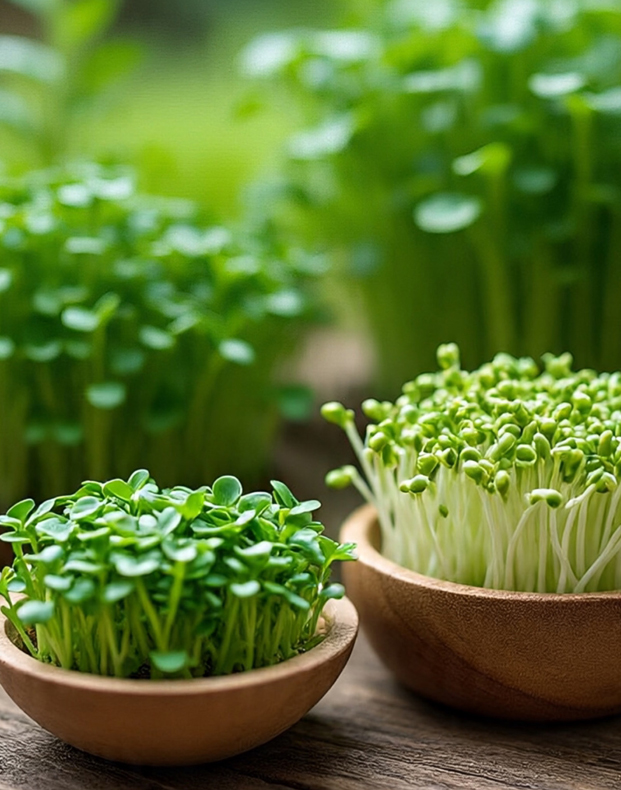
At LilLeaf Microgreens, we grow our greens with purpose — combining purity, sustainability, and peak nutrition. Every tray is cultivated in controlled, pesticide-free conditions to deliver the freshest, most nutrient-rich greens to your plate.
*Choose freshness. Choose wellness. Choose LilLeaf.*